
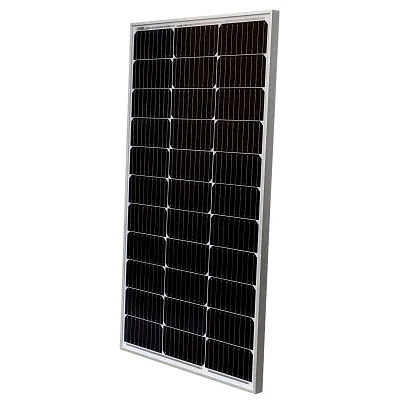
Canadian
Canadian Solar panels are known for their quality, reliability, and high efficiency. They are designed to withstand harsh weather conditions and provide long-term performance.
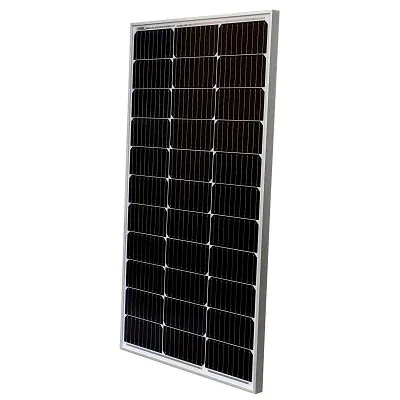
JA
JA Solar panels are recognized for their excellent performance, durability, and efficiency. They offer a range of panels that cater to different energy needs and installation requirements.
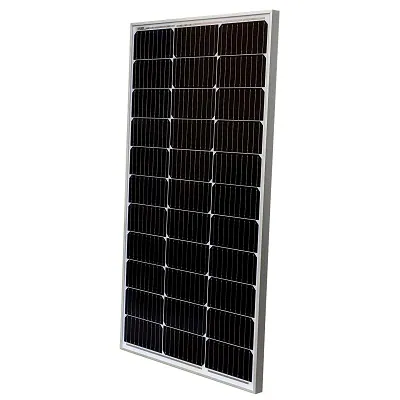
Jinko
Jinko Solar panels are known for their reliability, efficiency, and technological advancements. They offer a range of solar panels designed to meet various energy needs requirements.
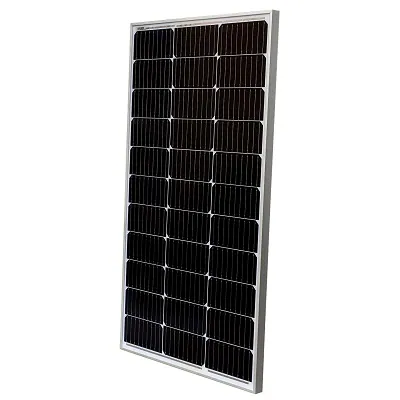
Renewsys
Renewsys solar panels are known for their reliability, efficiency, and sustainable manufacturing practices. They offer a wide range of solar panels designed to meet different energy needs

Cinco
Cinco Solar panels are known for their reliability, efficiency, and innovative design. They offer a range of solar panels suitable for residential, commercial, and industrial applications.

Longi
Longi Solar panels are known for their exceptional performance, durability, and efficiency. They offer a range of panels that are designed to deliver maximum power output.
What Are Solar Panels?
Solar panels, also known as photovoltaic (PV) panels, are made up of several interconnected solar cells. These cells consist of layers of semiconductor materials, such as silicon, which have the ability to convert sunlight directly into electricity through the photovoltaic effect. When sunlight strikes the solar cells, it generates an electric current that can be used to power homes, businesses, and even entire communities.
We install solar panels in Langebaan – Vredenburg – Saldanha – Hopefield – St Helena Bay – Velddrif – Jacobs Bay – Moorreesburg – Yzerfontein – Cape Town
How Do Solar Panels Work?
Solar panels work by utilizing the photovoltaic effect. When sunlight hits the solar cells, it excites the electrons in the semiconductor material, creating a flow of electricity. This direct current (DC) is then converted into alternating current (AC) through the solar inverter, making it compatible with the electrical grid or for direct use in appliances and devices.
Types of Solar Panels
Solar panels come in different types, each with its own advantages and characteristics. The most common types include monocrystalline, polycrystalline, and thin-film solar panels.
1. Monocrystalline
Monocrystalline are made from a single crystal structure, typically silicon. They are known for their high efficiency and sleek black appearance. Monocrystalline panels perform well in bright sunlight and occupy less space compared to other types.
2. Polycrystalline
Polycrystalline are made from multiple silicon crystals. They have a distinctive blue color and are cost-effective compared to monocrystalline panels. Although they are slightly less efficient, they still provide a good level of energy generation and are a popular choice for residential installations.
3. Thin-Film
Thin-film are made by depositing a thin layer of photovoltaic material onto a substrate. They are flexible and lightweight, allowing for more versatile installation options. However, they have lower efficiency compared to crystalline panels and require a larger area to generate the same amount of electricity.
We install solar panels in Langebaan – Vredenburg – Saldanha – Hopefield – St Helena Bay – Velddrif – Jacobs Bay – Moorreesburg – Yzerfontein – Cape Town
Considerations Before Installing Solar Panels
Before installing solar panels, several factors need to be considered to ensure optimal performance and efficiency.
1. Available Roof Space
Evaluate the available roof space to determine if it is suitable for an installation. Observe any obstructions such as chimneys or vents that might shade the panels and reduce their efficiency. Additionally, consider the roof’s structural integrity to support the weight of the panels.
2. Orientation and Tilt
The orientation and tilt affects their energy production. In general, south-facing roofs receive the most sunlight throughout the day. Adjusting the tilt angle based on the latitude of the location can optimize the amount of sunlight captured.
3. Shading
Shading can significantly impact performance. Analyze the surrounding environment to identify potential shading sources, such as trees or nearby buildings. Minimizing shading is crucial to maximize energy production.
4. System Size
Determine the appropriate system size based on energy needs. Factors such as electricity consumption, available roof space, and budget should be considered to ensure the system meets the requirements without over or under-sizing.
Factors Affecting Solar Panel Prices
The cost of solar panels can vary depending on various factors, including the type and size of the system, brand, quality, installation complexity, and additional components such as inverters and mounting systems. By understanding these factors, individuals can make informed decisions when considering an installation.
- System Size: The size of the system, measured in kilowatts (kW), plays a significant role in determining the price. Larger systems generally require more solar panels and additional components, resulting in higher costs.
- Panel Type: Different types of solar panels, such as monocrystalline, polycrystalline, and thin-film, have varying price points. Monocrystalline panels, known for their higher efficiency, tend to be more expensive than polycrystalline or thin-film options.
- Brand and Quality: Well-established brands with a reputation for quality and reliability often come with higher price tags. These brands may offer longer warranties, better performance guarantees, and enhanced durability, which can justify the higher cost.
- Installation Complexity: The complexity of the installation process, including factors like roof type, orientation, and electrical system integration, can impact the overall installation cost. Complicated installations may require additional labor and specialized equipment, leading to higher prices.
- Additional Components: They are just one part of a complete solar energy system. The cost of additional components, such as inverters, batteries for energy storage, monitoring systems, and mounting systems, should be considered when assessing the overall price.
Solar panels offer a clean and sustainable energy solution for individuals and businesses in South Africa. While the upfront costs may vary based on factors like system size, panel type, brand, and installation complexity, the long-term benefits, including electricity savings, increased property value, and environmental impact, make solar panel installations an attractive investment.
We install solar panels in Langebaan – Vredenburg – Saldanha – Hopefield – St Helena Bay – Velddrif – Jacobs Bay – Moorreesburg – Yzerfontein – Cape Town