
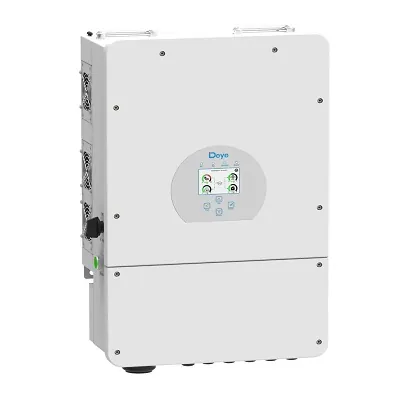
Deye
Deye is a reputable brand that specializes in manufacturing inverters for solar energy systems. Deye Inverters are known for their reliability, efficiency, and advanced features.
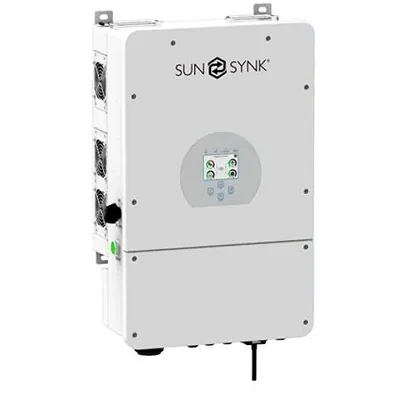
Sunsynk
Sunsynk is a reputable brand that specializes in manufacturing solar inverters. Sunsynk solar inverters are known for their high efficiency, advanced features, and reliable performance.
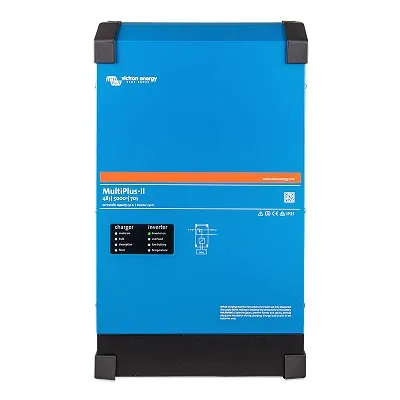
Victron
Victron Energy is a well-established and reputable brand that specializes in manufacturing solar inverters. Victron is known for its high quality, reliability, and advanced technology.
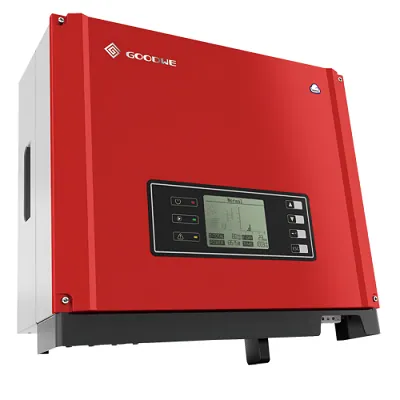
GoodWe
GoodWe is a reputable brand specializing in the manufacture of solar inverters. GoodWe is known for its high-quality construction, advanced technology, and reliable performance.

Growatt
Growatt specializes in the manufacturing of solar inverters for residential and commercial applications. Growatt is recognized for its reliability, efficiency, and advanced features.
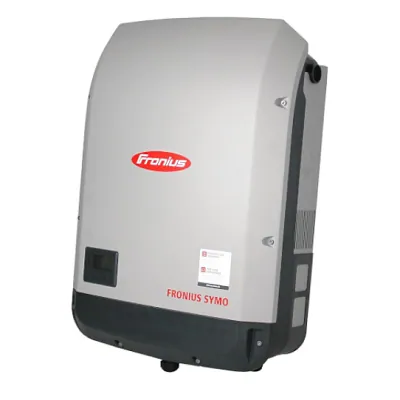
Fronius
Fronius is a renowned brand that specializes in manufacturing high-quality solar inverters for residential, commercial, and industrial applications. They offer a wide range of inverters
What Are Solar Inverters?
Solar inverters are electronic devices that convert the direct current (DC) generated by solar panels into alternating current (AC) that can be used to power electrical appliances and feed electricity back into the grid. They act as the bridge between solar panels and the electrical system, ensuring that the energy generated is compatible with the appliances and the grid.
Solar inverters are crucial for maximizing the efficiency and performance of solar power systems. They optimize the power output from solar panels, monitor the system’s performance, and enable seamless integration with the grid. Without solar inverters, the energy generated by solar panels would remain unusable, limiting the potential of solar energy as a clean and sustainable power source.
We install solar inverters in Langebaan – Vredenburg – Saldanha – Hopefield – St Helena Bay – Velddrif – Jacobs Bay – Moorreesburg – Yzerfontein – Cape Town
Types of Solar Inverters
There are several types of solar inverters available in the market, each with its own unique features and advantages.
1. String Inverters
String inverters are the most commonly used type of solar inverters. They are cost-effective and suitable for residential and commercial applications. In a string inverter system, multiple solar panels are connected in series, forming a string. The DC power generated by the panels is fed into the string inverter, which converts it into AC power for use in the electrical system or for exporting to the grid.
2. Microinverters
Microinverters are installed on each individual solar panel, unlike string inverters where multiple panels are connected in series. This allows each panel to operate independently, optimizing power generation even in shaded or mismatched conditions. Microinverters eliminate the effects of panel-level performance variations and can increase overall system efficiency.
3. Central Inverters
Central inverters, also known as string inverters with central architecture, are commonly used in large-scale solar power plants. They are designed to handle high power capacities and are suitable for utility-scale installations. Central inverters receive power from multiple strings of solar panels and convert the DC power to AC power for grid integration.
4. Hybrid Inverters
Hybrid inverters offer the flexibility of both grid-tied and off-grid systems. They can operate in grid-tied mode, where excess power is fed back into the grid, or in off-grid mode, where power is stored in batteries for later use. Hybrid inverters are ideal for regions with unreliable grid connections or for users who want to achieve energy independence.
Working Principle of Solar Inverters
Solar inverters operate based on the principle of converting DC power from solar panels into AC power. Here’s an overview of the working principle:
1. Conversion of DC to AC
When sunlight falls on the solar panels, they generate DC electricity. The solar inverter takes this DC power and converts it into AC power, which is the standard form of electricity used in homes and businesses. This conversion is essential to ensure compatibility with electrical appliances and the grid.
2. MPPT Technology
Maximum Power Point Tracking (MPPT) technology is integrated into solar inverters to optimize the power output from the solar panels. MPPT constantly adjusts the operating voltage and current of the solar panels to extract the maximum power available under varying weather and environmental conditions. This maximizes energy production and overall system efficiency.
We install solar inverters in Langebaan – Vredenburg – Saldanha – Hopefield – St Helena Bay – Velddrif – Jacobs Bay – Moorreesburg – Yzerfontein – Cape Town
Grid-Tied vs. Off-Grid Systems
Solar inverters can be classified into two main categories: grid-tied and off-grid systems.
- Grid-tied systems: Connected to the electrical grid. They synchronize the solar power generated with the grid frequency and voltage, allowing excess energy to be exported to the grid. Grid-tied systems enable net metering, where users receive credits for the excess electricity they feed back into the grid.
- Off-grid systems: In remote areas or locations without reliable grid connections, off-grid solar inverters are used. These systems are equipped with energy storage solutions, such as batteries, to store the excess energy generated during the day for use during the night or in times of low sunlight. Off-grid systems provide energy independence but require careful sizing to meet the load requirements.
Key Features and Benefits of Solar Inverters
Solar inverters come with a range of features and benefits that enhance the performance and safety of solar power systems. Some of the key features and benefits include:
1. Efficiency
They are designed to maximize energy conversion efficiency. Higher efficiency ensures that more of the solar energy is converted into usable electricity, reducing energy losses. Advanced inverter technologies, such as transformerless designs and high-frequency switching, contribute to improved efficiency.
2. Monitoring and Data Logging
Offer built-in monitoring and data logging capabilities. These features allow users to monitor the performance of their solar power systems in real-time, track energy production, and identify any issues or abnormalities. Monitoring and data logging enable proactive maintenance and help optimize system performance.
3. Anti-Islanding Protection
Anti-islanding protection is a crucial safety feature in grid-tied systems. It ensures that the inverter shuts down and disconnects from the grid in the event of a power outage. This prevents the inverter from continuing to feed power into the grid, protecting utility workers from potential electrical hazards.
4. Ground Fault Protection
Ground fault protection is another important safety mechanism. It detects any faults in the electrical system, such as current leakage or ground faults, and isolates the faulty circuits. By disconnecting the faulty circuit, the risk of electric shock or fire is minimized.
5. Overvoltage and Overcurrent Protection
Equipped with overvoltage and overcurrent protection mechanisms. These features monitor the voltage and current levels within the system and prevent them from exceeding safe limits. This protects the inverter, solar panels, and other connected components from potential damage due to voltage or current surges.
6. Temperature and Cooling Management
They can generate heat during operation. To prevent overheating and ensure optimal performance, they incorporate temperature and cooling management systems. These systems monitor the temperature of the inverter and activate cooling mechanisms, such as fans or heat sinks, to maintain safe operating temperatures.
Factors to Consider When Choosing Solar Inverters
When selecting a solar inverter for your solar power system, there are several factors to consider. These factors will help you choose the right inverter that matches your specific requirements and ensures optimal system performance.
1. System Size and Power Rating
The size of your solar power system and the power rating of the inverter should be compatible. The inverter’s power rating should be sufficient to handle the maximum power output of your solar panels. Undersized inverters can limit the system’s energy production, while oversized inverters may lead to inefficient operation.
2. Compatibility with Solar Panels
Ensure that the solar inverter you choose is compatible with the type and specifications of your solar panels. Different inverters are designed to work with specific panel technologies, such as monocrystalline or polycrystalline. Compatibility ensures optimal performance and efficient power conversion.
3. Warranty and Reliability
Consider the warranty offered by the inverter manufacturer. A longer warranty period indicates the manufacturer’s confidence in the product’s reliability and durability. Additionally, check customer reviews and ratings to gauge the reliability of the inverter brand.
4. Cost and Return on Investment
The cost of the solar inverter should be considered in relation to its features, performance, and warranty. While it’s important to find a cost-effective option, prioritize quality and reliability to ensure a good return on investment over the lifetime of the system.
We install solar inverters in Langebaan – Vredenburg – Saldanha – Hopefield – St Helena Bay – Velddrif – Jacobs Bay – Moorreesburg – Yzerfontein – Cape Town