
When to Add More Insulation to Your Home

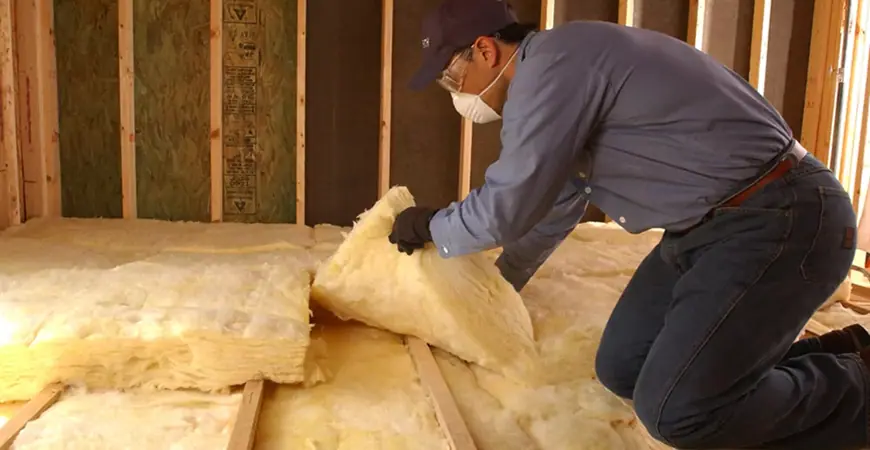
Proper insulation is essential for maintaining a comfortable, energy-efficient home. However, even the best insulation doesn’t last forever. Over time, insulation can settle, degrade, or become less effective, leading to increased energy bills and reduced comfort. Knowing when to add more insulation can help you maintain optimal performance and avoid costly energy waste. In this article, we’ll explore the signs that your home may need additional insulation, the benefits of upgrading, and how to make the right choice for your home.
Signs Your Home Needs More Insulation
Understanding the signs of inadequate insulation is the first step in determining when to add more. Common indicators include:
1. Inconsistent Indoor Temperatures
If certain rooms in your home are consistently colder in winter or hotter in summer than others, it could indicate uneven or insufficient insulation.
2. High Energy Bills
A sudden or consistent rise in heating and cooling costs may suggest your HVAC system is working harder to maintain indoor temperatures due to poor insulation.
3. Drafty Areas
Feeling drafts around doors, windows, or walls is a clear sign of air leaks, which could be exacerbated by insufficient insulation.
4. Cold Walls, Floors, and Ceilings
During winter, interior surfaces should feel warm to the touch if your home is adequately insulated. If they’re cold, you may need more insulation.
5. Ice Dams on the Roof
In snowy regions, ice dams can form when heat escapes through the roof, melting snow that refreezes at the edges. This is often caused by insufficient attic insulation.
6. Aging Insulation
Ceiling insulation materials can degrade over time. If your insulation is several decades old, it might no longer provide adequate thermal resistance.
Key Areas to Add Insulation
If you’ve identified that your home needs more insulation, focus on these key areas for maximum benefit:
1. Attic
The attic is one of the most common places for heat loss. Adding or upgrading insulation here can significantly improve your home’s energy efficiency.
2. Walls
Exterior walls should have sufficient insulation to prevent heat transfer. If your walls feel cold or drafts come through, it’s time to add more insulation.
3. Floors and Crawlspaces
Uninsulated floors above unheated spaces, like garages or crawlspaces, can make rooms colder and less comfortable. Adding insulation can reduce heat loss.
4. Basement
Basement walls and floors can allow significant heat transfer, especially if they’re uninsulated. Proper insulation helps maintain consistent temperatures and prevents moisture issues.
Benefits of Adding More Insulation
Investing in additional insulation provides numerous benefits:
1. Lower Energy Bills
By improving your home’s thermal barrier, insulation reduces the workload on your heating and cooling systems, saving you money on energy costs.
2. Enhanced Comfort
Proper insulation maintains consistent indoor temperatures, eliminating drafts and hot or cold spots.
3. Improved Indoor Air Quality
Adding insulation can seal gaps that allow dust, allergens, and pollutants to enter your home, improving air quality.
4. Noise Reduction
Insulation acts as a sound barrier, reducing noise transmission between rooms and from outside.
5. Increased Property Value
Well-insulated homes are more appealing to buyers, as they offer energy efficiency and lower utility costs.
When to Add Insulation
Knowing when to upgrade or add insulation is crucial for maintaining an energy-efficient home. Key times include:
1. After a Home Energy Audit
A professional energy audit can pinpoint areas where insulation is lacking, helping you prioritize upgrades.
2. During Renovations
If you’re remodeling your home, it’s the perfect time to add insulation to walls, ceilings, or floors before they’re covered up.
3. When Energy Bills Spike
If your heating or cooling costs increase unexpectedly, it may be time to inspect and upgrade your insulation.
4. Before Extreme Weather
Adding insulation before winter or summer ensures your home stays comfortable during temperature extremes.
Choosing the Right Insulation
Different types of insulation materials are suitable for various areas of your home. Popular options include:
- Fiberglass Batt Insulation: Ideal for attics and walls, providing good thermal resistance.
- Spray Foam Insulation: Excellent for sealing gaps and cracks while offering high R-values.
- Blown-In Cellulose Insulation: Great for adding insulation to hard-to-reach areas or topping up existing insulation.
- Rigid Foam Boards: Effective for basements, crawlspaces, and exterior walls.
Consult a professional to determine the best insulation material and R-value for your home based on your climate and specific needs.
Adding More Insulation to Your Home
Adding more insulation to your home when needed is a smart investment in energy efficiency, comfort, and long-term savings. By identifying the signs of inadequate insulation and targeting key areas, you can enhance your home’s performance and reduce your energy bills. Whether you’re tackling a DIY project or hiring a professional, upgrading your insulation ensures your home remains comfortable and efficient for years to come.