
How Insulation Saves You Money on Energy Bills

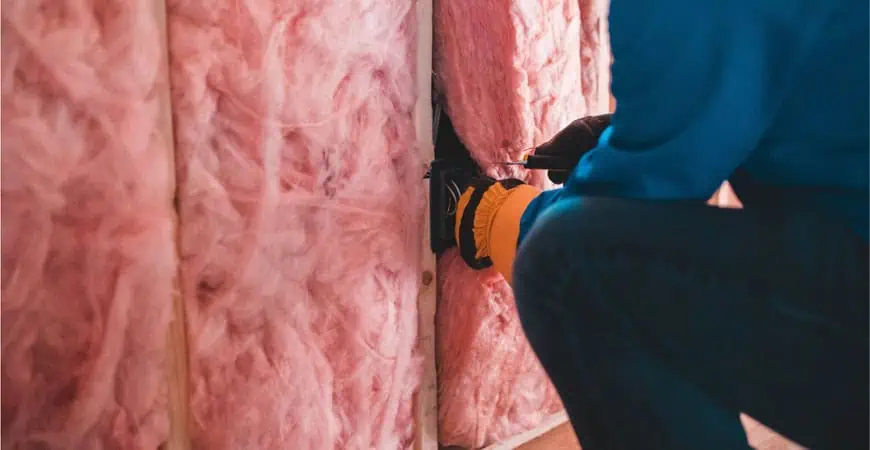
Homeowners are always looking for ways to reduce their energy bills, and one of the most effective methods is through proper insulation. Insulation acts as a barrier that prevents heat from escaping during the winter and entering during the summer, making your home more energy-efficient. This not only helps maintain a comfortable indoor temperature year-round but also significantly reduces the amount of energy required to heat or cool your home. In this article, we’ll explore how insulation can save you money on energy bills and the different ways it improves your home’s energy efficiency.
The Role of Insulation in Energy Efficiency
Insulation helps by reducing the transfer of heat between the inside and outside of your home. During cold months, insulation prevents heat from escaping your home, while in hot weather, it keeps the heat outside. Without adequate insulation, your HVAC system would have to work harder and run longer to maintain the desired temperature, leading to higher energy consumption and, ultimately, higher utility bills.
The key to insulation’s cost-saving benefits lies in its ability to regulate the temperature in your home, reducing the workload of heating and cooling systems. This means less energy is consumed, which results in a noticeable decrease in energy costs.
How Insulation Works to Reduce Energy Costs
Insulation works by slowing the movement of heat through walls, ceilings, floors, and other surfaces. Heat naturally flows from warmer areas to cooler areas. Without insulation, this heat transfer is continuous, requiring your HVAC system to use more energy to regulate the indoor temperature. Insulation, however, acts as a thermal barrier that resists this flow, helping maintain the temperature inside your home.
Different types of roof insulation materials, including fiberglass, foam, cellulose, and rockwool, all offer varying degrees of resistance to heat flow, measured by the R-value. A higher R-value indicates better insulation performance. The more effectively insulation resists heat flow, the less energy your heating or cooling system will need to maintain a comfortable temperature.
Key Areas Where Insulation Saves You Money
Certain areas of your home are more prone to energy loss, and insulating these areas can lead to the most significant savings on your energy bills. Here are the key areas where insulation provides the greatest benefit:
1. Attic
The attic is one of the most important areas to insulate. Heat rises, so a poorly insulated attic can result in substantial energy loss. In winter, heat escapes through the roof, making your heating system work harder. In summer, an attic that isn’t well-insulated can trap heat, causing your air conditioner to run longer. Proper attic insulation can prevent this heat loss and gain, ultimately reducing your energy costs.
2. Walls
Walls, both exterior and interior, are another crucial area for insulation. Insulating the walls of your home can prevent cold air from entering during winter and keep cool air inside during the summer. Insulation between rooms also helps to maintain even temperatures throughout the house, further improving energy efficiency.
3. Floors
Floors, especially those above unheated basements or crawlspaces, can be another source of energy loss. Cold floors can lead to heat loss, while uninsulated floors in warmer climates can let cool air escape. Insulating floors improves the comfort of your home and reduces the load on your HVAC system.
4. Basements and Crawlspaces
Basements and crawlspaces are often overlooked when it comes to insulation, but they can be significant sources of heat loss. Insulating the basement can help maintain consistent temperatures on the lower floors of your home and prevent cold air from entering during winter.
5. Windows and Doors
While not technically insulation, sealing gaps around windows and doors and adding insulation around them can drastically reduce air leakage. Using energy-efficient windows and doors with proper insulation can keep your home more comfortable and reduce the need for heating and cooling.
Types of Insulation and Their Cost-Saving Benefits
Different types of insulation offer different levels of energy efficiency and cost savings. Choosing the right one for your home will depend on factors such as climate, budget, and the areas you need to insulate. Let’s look at some of the most common insulation materials and how they contribute to saving money on energy bills:
1. Fiberglass Insulation
Fiberglass insulation is one of the most common and cost-effective options. It provides excellent thermal resistance, helping to reduce energy bills by slowing the transfer of heat. It’s commonly used in attics, walls, and floors.
2. Spray Foam Insulation
Spray foam insulation, both open-cell and closed-cell, provides superior air sealing capabilities. It expands to fill cracks and gaps, creating an airtight barrier that helps prevent drafts and energy loss. Spray foam insulation typically has a higher upfront cost but offers long-term savings due to its higher R-value and effectiveness at reducing air leaks.
3. Cellulose Insulation
Cellulose insulation is made from recycled paper and is an eco-friendly option. It provides excellent coverage and is particularly good at filling gaps and voids. Cellulose helps reduce energy bills by minimizing air leakage, especially in attics and walls.
4. Rigid Foam Board Insulation
Rigid foam board insulation is another highly effective choice for areas like basements and exterior walls. It has a high R-value and resists moisture, making it ideal for areas prone to dampness. Its ability to reduce heat loss through walls and foundations leads to significant energy savings.
Additional Benefits of Insulation
While the most immediate benefit of insulation is its ability to reduce energy bills, there are several other advantages:
- Improved Comfort: Insulation helps maintain a consistent indoor temperature, preventing cold drafts in winter and excessive heat in summer. This creates a more comfortable living space.
- Environmental Impact: By reducing the amount of energy required to heat and cool your home, insulation also helps reduce your carbon footprint, making your home more environmentally friendly.
- Increased Home Value: A well-insulated home is more attractive to potential buyers, particularly those looking for energy-efficient features. Proper insulation can increase your property’s market value.
- Enhanced Durability: Insulation can also protect your home’s structure by preventing moisture buildup that can lead to mold and mildew growth, which can degrade the materials over time.
Cost-Effective Ways to Reduce Energy Bills
Insulation is one of the most cost-effective ways to reduce energy bills and increase the comfort of your home. By improving your home’s thermal resistance, insulation helps reduce the workload on heating and cooling systems, leading to significant energy savings. Whether you’re insulating your attic, walls, floors, or windows, the investment in proper insulation pays off over time through lower energy costs, improved comfort, and enhanced home value.